

Atiku Raises Alarm Over Youth Kidney Sales Amid Economic Hardship
By Sabiu Abdullahi
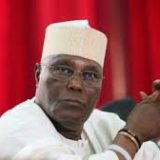
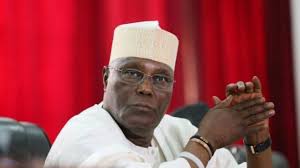
Former Vice President and presidential candidate of the African Democratic Congress, Atiku Abubakar, has expressed concern over reports that some young Nigerians are resorting to kidney sales because of worsening economic difficulties.
Atiku made the remarks in a post on X on Thursday, where he linked the reported development to the rising cost of living under the administration of President Bola Tinubu.
The former Vice President said he had received what he described as “disturbing stories” about young Nigerians who were considering the sale of parts of their bodies as a means of raising money.
“I have heard disturbing stories about the extent to which young Nigerians are being driven simply to survive. Perhaps the most horrifying are the growing reports of young people selling parts of their bodies: kidneys in particular, in desperate attempts to raise money,” Atiku wrote.
He maintained that young Nigerians should have opportunities to develop their talents and pursue their ambitions instead of considering the sale of their organs.
According to him, they should be “selling dreams, ideas and innovation, not their body organs,” and described the reported situation as something that should “offend the conscience of every Nigerian.”
Atiku further alleged that some young Nigerians were being pushed to sell their kidneys for as little as ₦1.7m. However, the figure was not linked to a specific report or government agency.
The reported amount could not be independently verified.
Atiku attributed the alleged trend to the pressure caused by the increasing prices of basic necessities, including food, transportation, accommodation, education, healthcare and electricity.
He said, “In Tinubu’s Nigeria, almost everything required to live with dignity is becoming more expensive by the day: food, transport, rent, school fees, medicine and electricity.
“Yet young Nigerians are reportedly being driven to sell their kidneys for as little as ₦1.7 million.
“That should break the heart of a nation.
“Young Nigerians should be building careers, starting businesses, raising families and pursuing their dreams, not calculating how much parts of their bodies can fetch simply to stay alive.
“When young Nigerians begin to see their kidneys as emergency savings, we are no longer talking about ordinary economic hardship. We are talking about desperation at its most frightening.”
The ADC presidential candidate acknowledged that Nigerian laws prohibit the commercial sale of human organs and organ trafficking.
He, however, argued that “laws alone cannot cure the poverty and desperation that make vulnerable young people easy prey for criminal networks.”
Atiku called for economic measures that would address the difficulties faced by ordinary Nigerians. He listed affordable food, lower transportation costs, accessible healthcare, decent employment opportunities and “renewed hope for the next generation” among the measures he said were needed.
He concluded with a criticism of the President, saying, “Tinubu made Nigeria expensive. I will make Nigeria affordable again.”
His comments came amid recent reports of alleged organ trafficking activities in some parts of Nigeria.
The Nigeria Police Force recently paraded four suspects, including two nephrologists, over an alleged organ-trafficking operation.
The police alleged that one of the suspects, Emmanuel Ode, admitted to recruiting victims. Investigators also alleged that a 22-year-old man was taken to a hospital in Abuja in April, where his kidney was allegedly removed for $1,250, said to be about ₦1.7m.
According to investigators, the suspected syndicate targeted vulnerable young people facing financial difficulties in Nasarawa and surrounding areas.

Six Killed in Yola-Girei Road Accident
By Sabiu Abdullahi
The Adamawa State Police Command has confirmed the death of six people in a road accident along the Yola-Girei Road on Friday.
The command’s spokesperson, SP Suleiman Nguroje, disclosed this in a statement issued on Friday.
According to the preliminary report, six victims were involved in the fatal crash and were taken to a hospital, where they were pronounced dead.
“The victims were rushed to a hospital where they were confirmed dead.
“Police operatives from Girei Divisional Headquarters, Federal Housing and the Central Motor Traffic Division were immediately mobilised to the scene to evacuate the victims and restore the normal flow of traffic.”
The Commissioner of Police in the state, CP Kabir Hassan, expressed condolences to the families of the victims and prayed for the repose of their souls.
Hassan also urged motorists to remain calm and exercise caution on the road. He advised drivers to obey traffic regulations and avoid excessive speed to reduce the risk of further accidents.
The latest crash has raised concerns over the safety of the Yola-Girei Road. Four accidents have reportedly occurred on the route within less than a month, with more than 10 people killed in the incidents.
Insecurity: Defence Minister Urges Governors Against Giving Motorcycles as Palliatives
By Uzair Adam
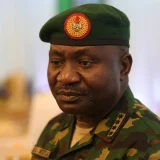
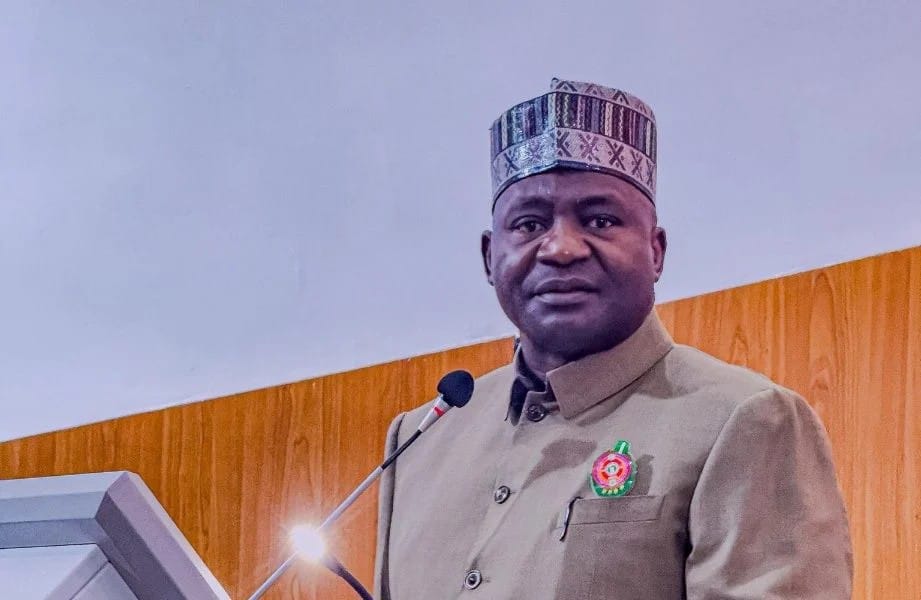
The Minister of Defence, Gen. Christopher Musa (retd.), has urged state governors and lawmakers to stop distributing motorcycles as palliatives, warning that some of the motorcycles eventually find their way into the hands of terrorists and bandits.
Musa gave the warning on Thursday while appearing on Channels Television’s Politics Today, where he discussed ongoing efforts to tackle terrorism and other security challenges confronting the country.
According to him, motorcycles provided to vulnerable Nigerians sometimes end up being used by terrorists to facilitate their movements and carry out attacks.
“We try to appeal to even governors to stop giving motorcycles out as palliatives. Because these motorcycles are the same ones that still end up with these terrorists,” he said.
The minister advised that where motorcycles must be distributed, authorities should consider smaller-capacity models that would be less useful to terrorists operating in difficult terrains.
“Even if you have to give, don’t give them the big capacity motorcycles; give them the small capacity ones that they won’t be able to use to run around, because that gives them leverage. They can easily enter and then disappear,” Musa said.
He also warned that motorcycles distributed by lawmakers under constituency projects and other intervention programmes could eventually be diverted to bandits and terrorists.
“Those bikes… before you know it, they’re already back to the bandits, and that’s what they’re using. So we must stop that,” he added.
Musa further disclosed that security agencies had identified illegal markets and motor parks as major channels through which terrorists transport arms and ammunition to their areas of operation.
“What we realise from experience is they establish illegal markets or illicit motor parks. They go to those motor parks; that’s where they move arms and ammunition into those areas,” he said.
The defence minister also called for greater involvement of local governments in the fight against insecurity, arguing that local authorities are better positioned to identify criminal activities within their communities.
“We must allow our local governments to work. Failure of local government is what is aggravating what we’re dealing with, and if we want a better solution, a quick fix, our local governments must work,” he said.
According to Musa, local government chairmen should regularly convene security meetings and monitor developments within their respective areas.
He also urged state and local authorities to strengthen surveillance around markets, motor parks and other locations that could be exploited to transport drugs, weapons and ammunition.
“If we’re able to make sure that we man all the markets, all the motor parks, all these areas where drugs, weapons, ammunition move, it will make it difficult for them,” the minister added.
Ministan Tsaro Ya Zargi El-Rufai Da Shirya Kisan Mutanen Kudancin Kaduna
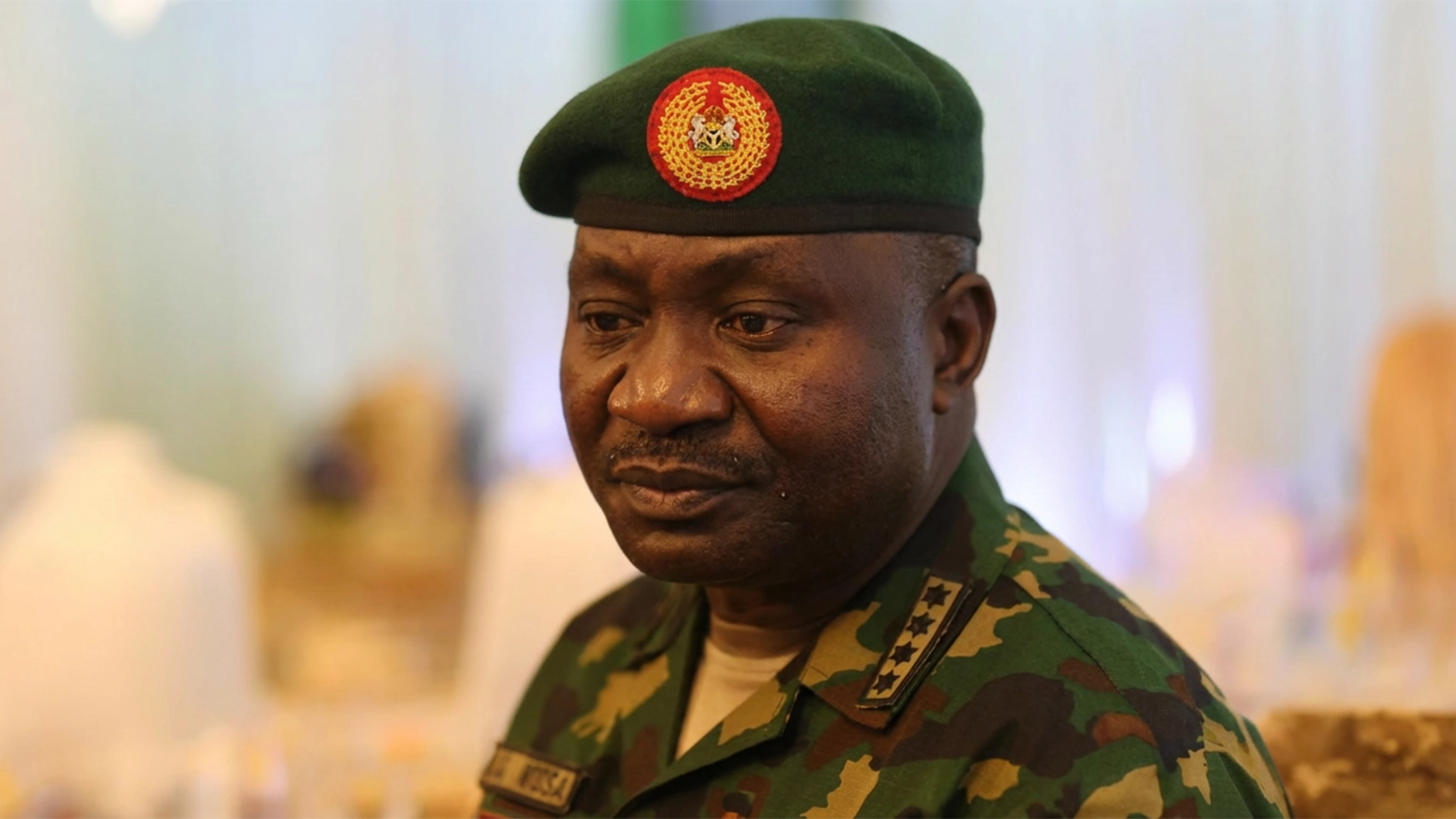
Ministan Tsaro, Christopher Musa, ya zargi tsohon Gwamnan Jihar Kaduna, Nasir El-Rufai, da shirya kisan wasu daga cikin mutanen Kudancin Kaduna a lokacin da yake kan mulki.
Musa ya bayyana hakan ne yayin wata hira da gidan talabijin na Channels a shirin Politics Today ranar Alhamis.
Ministan ya ce gwamnatin El-Rufai ta haifar da rarrabuwar kawuna a Kaduna, inda mazauna Kudancin Kaduna suka samu matsala wajen rayuwa a arewacin jihar, haka kuma wasu daga arewacin jihar suka koma kudanci.
Ya ce gwamnatin Gwamna Uba Sani ta yi kokari wajen dawo da haɗin kai da amincewa tsakanin al’ummar jihar.
“Mun san yadda lamarin yake lokacin El-Rufai; abin ya kasance mai guba,” in ji Musa.»
Ya ƙara da cewa, “El-Rufai ya aikata munanan abubuwa da dama a Jihar Kaduna. Ya raba jihar gida biyu. Ta yadda idan kai ɗan kudu ne, ba za ka iya zuwa arewa ka zauna ba. Waɗanda suke daga arewa kuma suna komawa kudu.”
Musa ya ce ko da yake har yanzu ba a kai ga samun cikakken haɗin kai ba, gwamnatin Uba Sani tana yin ƙoƙari wajen haɗa kan al’ummar jihar.
Da yake magana kan yadda mutanen Kudancin Kaduna ke kallon tsohon gwamnan, ministan ya ce har yanzu mutane na fama da radadin kisan da aka samu a yankin a lokacin mulkinsa.
Ya zargi El-Rufai da gangan ya shirya kashe mutanen yankin.
“To, ban san ko rashin farin ciki shi ne kalmar da ta dace ba. Ina ganin idan akwai wani abu da ya fi rashin farin ciki, ba za mu taɓa farin ciki da mutumin da ya shirya kashe mutanenmu da gangan ba,” in ji shi.»
Musa ya kuma yi zargin cewa El-Rufai ya taɓa bayyana a jawabansa cewa ya biya ‘yan bindiga, yana mai cewa tsohon gwamnan bai ɓoye irin waɗannan matakan ba.
Ya ce mutanen Kudancin Kaduna har yanzu suna cikin raɗaɗin tunanin kisan da aka yi a yankin, duk da cewa yanayin tsaro ya samu sauƙi a yanzu.
Ministan ya kuma zargi tsohon gwamnan da tauye wa wasu mazauna Kaduna damar samun abubuwa daban-daban a lokacin mulkinsa, ciki har da mutanen daga yankin da El-Rufai ya fito.
A ƙarshe, Musa ya yi kira ga ‘yan Najeriya da su ƙi goyon bayan ‘yan siyasar da ke amfani da addini, ƙabila ko wasu bambance-bambance wajen raba al’umma.
“Ya kamata mu samu ‘yan siyasar da suke son haɗa kan Najeriya. A wurina, duk mutumin da yake amfani da addini, ƙabila, akida ko wani abu wajen raba jihar, ba zai taɓa zama aboki ba; ba zai taɓa zama mutumin da za mu ɗaga wa kai ba,” in ji Musa.»
Ya ƙara da cewa, “Bai kamata irin waɗannan mutane su kasance cikin gwamnati ba. Duk wanda yake amfani da addini ko ƙabila ko wani abu wajen raba Najeriya, makiyin ƙasa ne.”
NECO Questions Sold For N3,000 Before Exams, Education Minister Reveals
By Sabiu Abdullahi
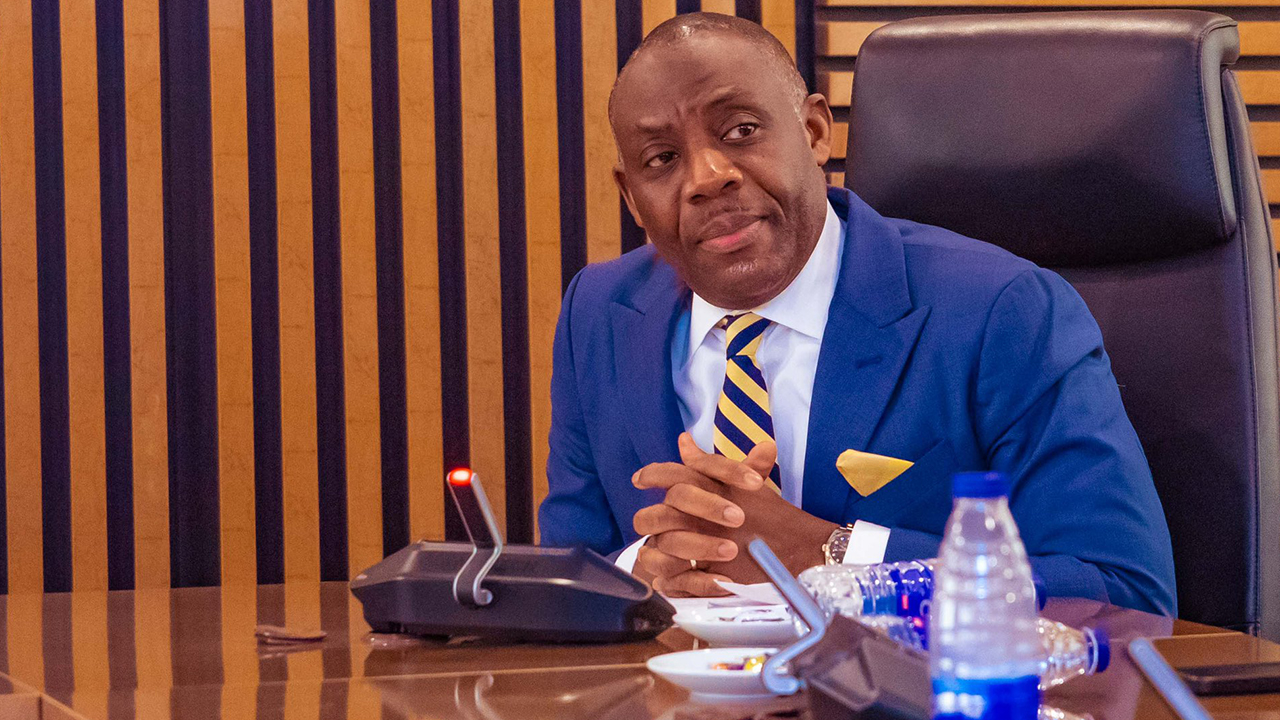
The Minister of Education, Dr Tunji Alausa, has disclosed that National Examinations Council examination questions were previously sold for as little as N3,000 before candidates sat for the examinations.
Alausa described the scale of examination malpractice in Nigeria as “mind-boggling” and warned that the practice was capable of destroying confidence in the country’s education system.
The minister spoke on Thursday during a meeting with the National Association of Proprietors of Private Schools and other education stakeholders. He called on parents, teachers, school proprietors, principals, invigilators and students to support efforts to protect the integrity of public examinations.
According to Alausa, examination malpractice had become deeply entrenched over the years, creating an unfair environment for students who prepared honestly for their examinations.
He said the situation could also encourage hardworking students to engage in malpractice because of the pressure to compete with candidates who obtained examination materials in advance.
Alausa said, “It’s sad. Before she (Minister of State for Education) and I came, the acceptance of examination malpractice, cheating and examination leakages in this country was mind-boggling, and the country accepted it. It was a nightmare,” adding that the “danger was that the good students would also become bad.”
Recalling his experience in efforts to tackle examination malpractice, the minister alleged that some examination questions were openly obtained before the scheduled examination dates.
He said, “The Registrar of NECO at the time had a name. His name was (Ibrahim) Wushishi. You would go to Wushishi… I didn’t know that Wushishi meant going to the dark website.
“They bought his question for N3,000. That was it. Before the examination. They called him Wushishi and bought the questions for N3,000 before the examination.”
The minister also recounted what he described as a difficult experience during the 2025 examination period, when he allegedly received examination questions before candidates were due to sit for the papers.
According to him, the situation led officials to repeatedly verify the circulated questions with examination authorities, with some of the materials later confirmed as the actual questions scheduled for the examinations.
He said, “During that examination period, during the hardest time of my life, I was always worried, waking up. I would wake up to her text. She would send questions to me… She would say, ‘I just got this question.’
“It could be English or Chemistry. I was always waking up with trepidation every morning, doing work. I would send it to the HNO and ask, ‘HNO, is this correct?’ And the answer I got was, ‘Unfortunately, that’s the question we’re doing today.’
“So, that was a more aggressive intervention because we were seeing the question and confirming from the other side.”
Alausa said the problem could not be blamed on students alone, stressing that examination malpractice involved several actors within the education system.
He maintained that parents, school authorities, teachers, invigilators and principals must all take responsibility for preventing examination fraud.
Alausa said, “You might be in that isolated school, but the school system is also involved. In fact, I don’t blame the students that much. Any child can be bad.
“But when we have an ecosystem where parents, schools, teachers, invigilators and principals are in full connivance, the students are the smallest players. The people who should put the deterrents in place are the ones involved.”
The minister said the Federal Government would intensify measures aimed at preventing examination malpractice and ensuring that academic certificates reflected students’ actual knowledge and abilities.
He linked the reforms to President Bola Tinubu’s efforts to improve standards across the Nigerian education sector.
Alausa said, “This is a country with the rule of law. President Bola Ahmed Tinubu is transforming this country in a way that’s never been transformed before. This is Nigeria’s renaissance that we’re building to be sustainable into the future.”
He said the country could no longer continue to tolerate practices that undermine its educational standards.
Also speaking at the meeting, the Minister of State for Education, Prof Suwaiba Ahmad, urged private school proprietors and other stakeholders to support the Federal Government’s efforts to strengthen examination standards.
Ahmad said tighter examination controls could initially reveal gaps in the academic preparation of some students who had become accustomed to gaining access to examination questions before the actual tests.
She explained that the introduction of serialised examination questions would make it more difficult for candidates to benefit from leaked materials and encourage students to prepare adequately.
The minister also urged schools to complete their curricula within the required timeframe and encourage students to maintain regular study habits.
She assured private education stakeholders that the Federal Ministry of Education would continue to engage them as the reforms are implemented.
The Federal Government’s renewed campaign against examination malpractice comes amid persistent concerns over question-paper leakages, impersonation, collusion and other forms of unauthorised assistance during public examinations.
The government says its efforts are aimed at restoring credibility to public examinations and ensuring that students who prepare and compete honestly are not disadvantaged.
Kwankwaso: APC’s 30 Governors Cannot Guarantee Tinubu’s 2027 Victory
By Sabiu Abdullahi
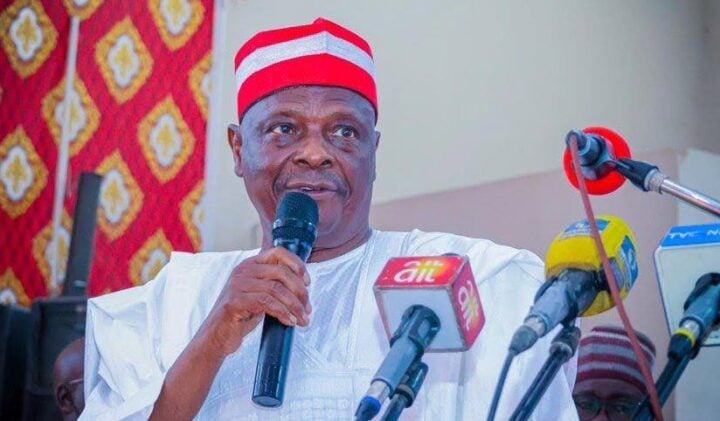
The presidential ambition of President Bola Tinubu cannot be guaranteed by the All Progressives Congress’ control of more than 30 states, according to Rabiu Musa Kwankwaso, the vice-presidential candidate of the Nigeria Democratic Congress.
Kwankwaso made the remark on Thursday in Port Harcourt at a town hall meeting with voters, where he and the NDC presidential candidate, Peter Obi, responded to questions about the 2027 general elections.
The former Kano State governor cited the 2015 presidential election as evidence that control of several states does not automatically translate into victory at the federal level.
He recalled that the Peoples Democratic Party, under which former President Goodluck Jonathan contested the 2015 election, controlled about 20 states before the poll. Jonathan, however, lost his re-election bid to the APC candidate, Muhammadu Buhari.
According to results announced by the Independent National Electoral Commission, Jonathan secured victory in 15 states and the Federal Capital Territory, while Buhari won 21 states. Eleven of the states won by Buhari were under PDP control at the time.
Tinubu, who defeated Peter Obi and former Vice-President Atiku Abubakar in the 2023 presidential election, is seeking another term on the APC platform. The party currently controls about 31 states.
Kwankwaso therefore dismissed the argument that the APC’s control of numerous states would secure Tinubu’s re-election.
“Jonathan was the sitting president and he lost the election. Those who think that because they have over 30 governors they cannot lose are making a very big mistake,” he said.
‘This Is The Time To Get It Right’
Kwankwaso also criticised the performance of some state governors, particularly those in the northern part of the country.
“The trend is that those governors and their parties have performed woefully. It is difficult for many of them to even come out and campaign because, from top to bottom, they did absolutely nothing,” he stated.
The NDC vice-presidential candidate further argued that some of the individuals seeking the presidency lacked the experience required to effectively govern Nigeria.
He said the country needed “a committed, strong and vibrant president” who could confront its challenges.
Kwankwaso also warned voters against making another political decision that could have serious consequences for the country in 2027.
“This is the time to get it right. Anything to the contrary, if people make a mistake, they will regret making that mistake because it will be too costly for the people and the country,” he said.
The NDC governorship candidate in Rivers State, Dumo Lulu-Briggs, also addressed the gathering.
Lulu-Briggs praised party members in the state for their patience, resilience and commitment to the political movement.
He expressed confidence that the NDC would build “a Nigeria that works” and assured the party’s national leadership of the continued support of its members in Rivers State.
Bauchi Police Probe Officer’s Salary Access Complaint, Cite BVN Discrepancy
By Sabiu Abdullahi
The Bauchi State Police Command has commenced an investigation into the circumstances surrounding the alleged inability of Corporal Yusuf Aliyu to access his salary for two years.
Aliyu, identified as F/No. 524180, had reportedly announced his resignation from the Nigeria Police Force on social media while alleging that he had been unable to access his salary during the period.
In a statement issued on September 3, 2026, the Command said Commissioner of Police Sani-Omolori Aliyu had directed a discreet and comprehensive investigation into the matter.
The police said the investigation was ordered to establish the circumstances surrounding the alleged restriction placed on the officer’s bank account.
“Furthermore, preliminary findings indicate that the officer’s salary has been paid promptly and consistently by the Police authorities. The observed difficulty is attributable to a discrepancy in his Bank Verification Number (BVN), as the name linked to the BVN differs entirely from the name on his salary account, thereby resulting in the restriction.”
The Command also faulted the officer for taking his grievance to social media instead of using the internal channels available to police personnel to seek redress.
According to the statement, the action violated the Nigeria Police Force Social Media Policy and was viewed as an attempt to discredit the Command and the Force.
“The Command notes with concern that the officer resorted to the use of social media to ventilate his grievance and announce a purported resignation, rather than exploiting the established internal mechanisms for redress. This conduct constitutes a clear violation of the Nigeria Police Force Social Media Policy and amounts to an attempt to discredit the Command and the Force at large.”
The police, however, assured personnel that complaints concerning their welfare would receive attention under the leadership of the Commissioner of Police.
“The Commissioner of Police wishes to reassure all officers and men that their welfare remains a topmost priority of the Command under his leadership and the Force, and no genuine complaint will be left unattended.”
The Command further directed its personnel to comply with the Force’s social media rules and use the appropriate administrative channels whenever they have complaints or grievances.
“In addition, the CP enjoins all personnel to adhere strictly to the provisions of the Force Social Media Policy and to channel all complaints or grievances through the appropriate administrative procedures for prompt attention.”
The Bauchi Police Command said it remained committed to discipline, professionalism and the welfare of its personnel while carrying out its constitutional responsibilities.
US Court Case Against Tinubu Is Civil, Not Criminal: Presidency
By Abdullahi Mukhtar Algasgaini
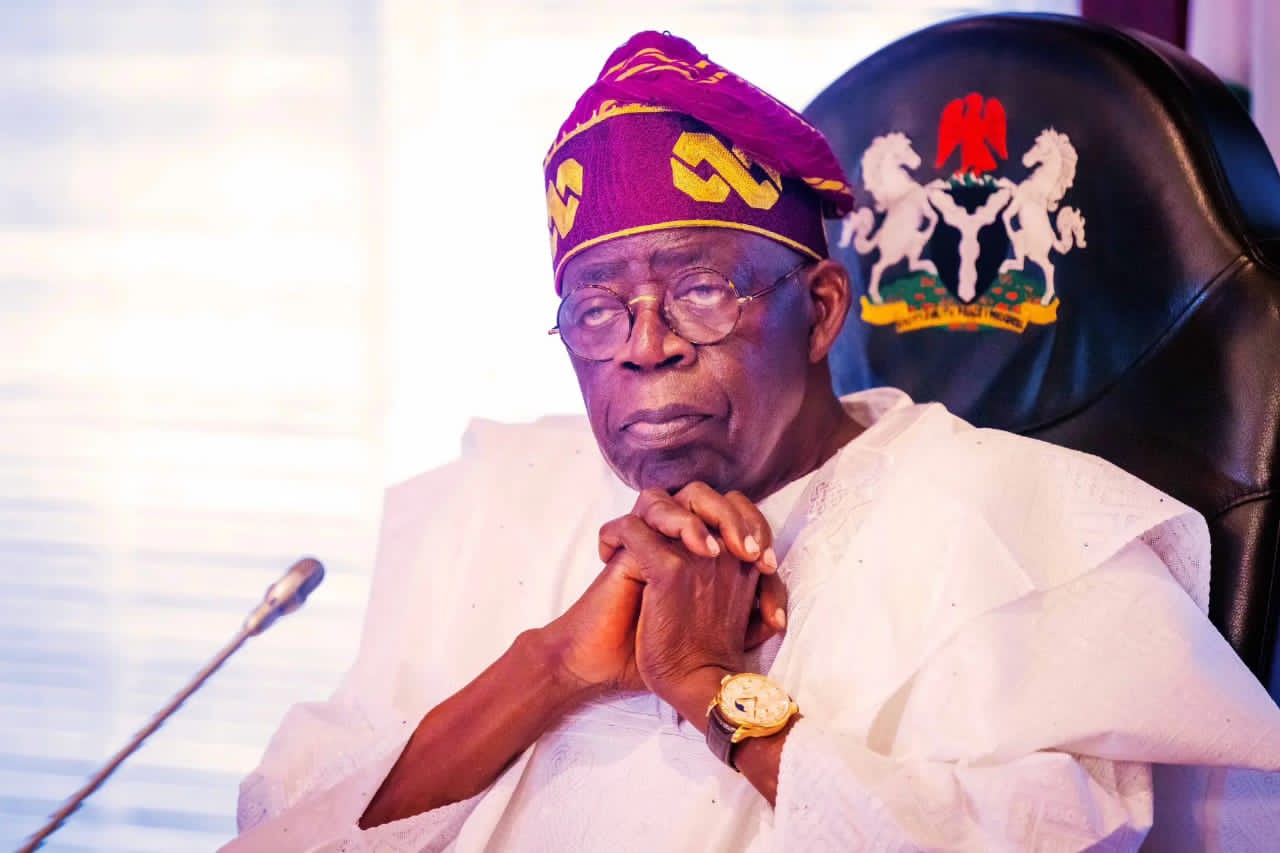
The Nigerian Presidency has issued a statement clarifying the nature of an ongoing Freedom of Information Act case before the United States District Court for the District of Columbia, emphasizing that it is a civil records dispute and not a criminal case against President Bola Ahmed Tinubu.
In a statement released Thursday by Special Adviser on Information and Strategy, Bayo Onanuga, the Presidency addressed what it termed “speculative reports” concerning the legal proceedings.
The case originated in 2022 when Aaron Greenspan, described by the Presidency as someone who “works with Nigerian opposition figures including David Hundeyin and Atiku Abubakar,” submitted FOIA requests to several US government agencies seeking records relating to President Tinubu. After agencies withheld certain records or declined to confirm their existence, Greenspan commenced Civil Action No. 23-1816 in 2023.
President Tinubu was subsequently permitted to participate in the proceedings as an intervenor.
The statement provided background to the case, noting that 23 years ago, on February 4, 2003, the American Consulate in Lagos informed then-Inspector General of Police Tafa Balogun that an FBI records check found no criminal arrest records, wants, or warrants for then-Governor Tinubu.
During the proceedings, US government agencies invoked the “Glomar defense,” a standard position where agencies neither confirm nor deny the existence of records. The court granted summary judgment in favour of several agencies including the CIA, Department of State, and IRS, removing them from proceedings.
The FBI and DEA subsequently produced 399 pages of records with redactions, which the plaintiff challenged. The agencies defended their redactions citing exemptions including grand jury proceeding protections, attorney-client privileges, law enforcement purposes, personal privacy, and protection of confidential sources and investigative techniques.
President Tinubu has also asserted his rights under FOIA Exemption 7(C), according to his legal team.
The plaintiff has until September 11, 2026, to file opposition, with responses due by September 18, 2026.
The Presidency stressed that “the release or withholding of records under FOIA does not, by itself, establish criminal liability,” and that the case concerns “access to government records and the proper application of statutory exemptions.”
“Recent public commentary by Mr Karl von Batten has inaccurately portrayed him and his client as central to the proceedings. Neither is a party to the case,” the statement added.
The Presidency urged media and the public to “distinguish verified court proceedings from partisan speculation,” noting the case remains exclusively within the jurisdiction of Judge Beryl A. Howell.
DSS DG Orders Operatives to Stop Arrests Over Civil Matters
By Anwar Usman
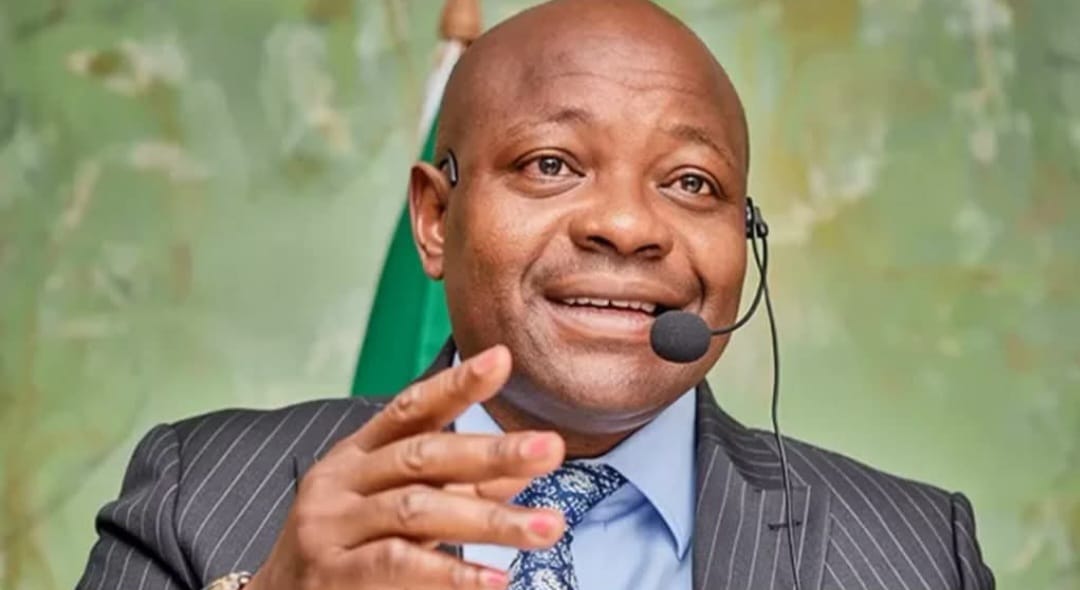
The Director-General of the Department of State Services, Oluwatosin Ajayi, has instructed the operatives of the DSS not to arrest anyone over civil matters.
The DG stated this in a media interview on Thursday, explaining that the directive was part of measures to strengthen compliance to the rule of law and improve the agency’s human rights record.
The DSS boss said that since assuming office, he had introduced reforms across five broad areas: law enforcement, inter-agency synergy, accountability, respect for human rights and infrastructural and administrative reforms aimed at improving operational efficiency.
Ajayi further revealed that, the reforms had also brought about a clearer distinction between civil and criminal matters within the agency.
He said his career experience had shown that the DSS previously conflated the two areas, stressing that the use of force was inappropriate in civil disputes.
“You cannot apply the use of force in civil matters. Even some criminal matters don’t require force,” he said.
The SUN reported that, Ajayi cited the case involving political economist, Prof Pat Utomi, over allegations relating to an attempt to establish a “shadow government”, saying the DSS opted to seek judicial interpretation rather than arrest him.
“Rather than arrest him, we sought judicial interpretation. And the Court ruled that his adventure was unconstitutional, illegal, and a threat to national security,” he added.
He also referred to a case involving the Socio-Economic Rights and Accountability Project, saying the organisation approached the court over allegations that two DSS operatives invaded its premises.
Ajayi said the matter was pursued in court without any arrest, adding that the court eventually awarded more than N100m in favour of SERAP.
Asked whether the DSS now resorts to the courts in civil matters, Ajayi replied, “Yes. I have told my people that there should be no arrest in any civil case. And I’m sure you have found out that, even in cases involving journalists, we would rather approach the court because we do the same job.
“I call you guys our professional colleagues. The only difference is that, while you inform the public, we inform the Government. And because we inform the Government, our information is classified until we declassify it.”
Police in Kano Apprehend 79 Suspects During 2026 Takutaha Celebration
By Sabiu Abdullahi l
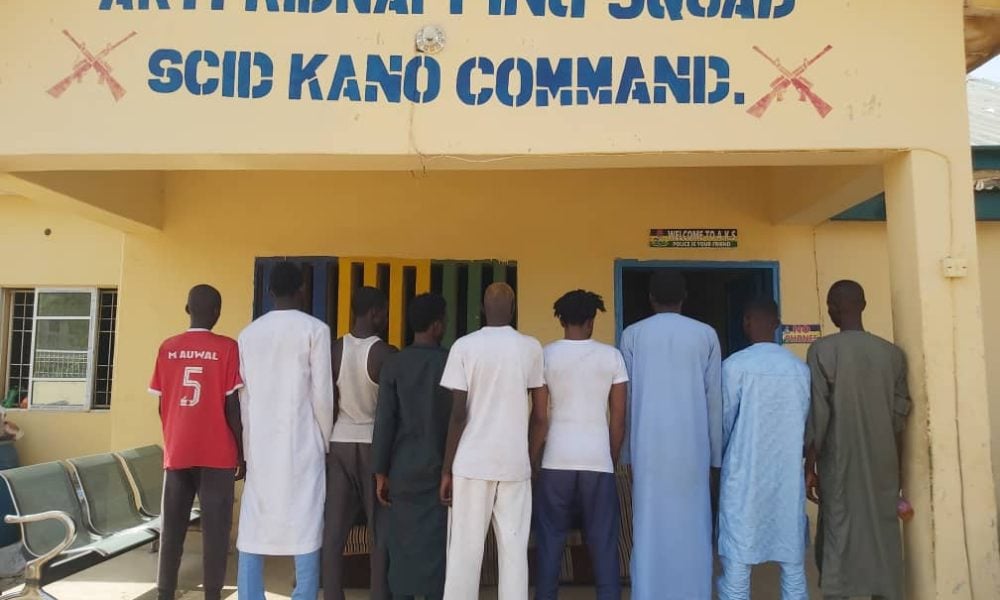
The Kano State Police Command has arrested 79 suspects and recovered dangerous weapons and illicit drugs during security operations conducted across the state during the 2026 Takutaha celebration.
The celebration took place on Tuesday, September 1, with security personnel deployed to various locations to maintain public safety and prevent disturbances.
In a statement issued on Wednesday, the Command’s Police Public Relations Officer, CSP Abdullahi Haruna Kiyawa, said the peaceful outcome of the event was the result of coordinated, intelligence-led and proactive policing.
“The 2026 Takutaha Celebration held on 1st September 2026 was observed peacefully across the state,” the command said.
The suspects were arrested during operations conducted by the Anti-Daba, Anti-Kidnapping and VCRU tactical units, alongside personnel from several police divisions, including Ungogo, Sharada, Bachirawa, Rijiyar Lemo, Mandawari, Kwalli and Gwale.
The Command said the operations also resulted in the seizure of dangerous weapons and illicit drugs.
“All suspects are currently undergoing investigation and will be charged to court upon completion,” the Command said.
The Commissioner of Police, Ibrahim Adamu Bakori, praised residents for their cooperation and orderly conduct throughout the celebration.
The Command also recognised the support provided by the Kano State Government, traditional rulers, religious leaders, community stakeholders, other security agencies and vigilante groups.
However, the police disclosed that another incident involving a casualty was recorded during the period. It said the matter was under investigation.
The Command urged residents to remain vigilant and provide security agencies with timely and credible information about suspicious individuals and activities.